


Craniocervical and TMJ Physiotherapy
Treatment for neck, jaw and facial pain from a global, personalized craniocervical approach
Based in San Pedro del Pinatar (Lo Pagán) and also in Pilar de la Horadada and Torrevieja.
The craniocervical region: where head and neck meet
The craniocervical region is the junction between the skull and the upper neck (the base of the skull and the first two cervical vertebrae, C1 and C2), together with the muscles, joints and nerves around them. It sits right next to the jaw and works together with it: when you talk, chew or turn your head, neck and TMJ move in coordination.
The nerves of the upper neck and the trigeminal nerve, which supplies sensation to the face and head, also share connections in the central nervous system. That is why a neck problem can be felt in the head, face or jaw, and vice versa.
Pain and conditions physiotherapy can help with:
Neck pain, including pain linked to sustained postures or work
Stiffness and limited neck movement
Headaches and migraine of neck origin or with a neck component
TMJ pain: jaw pain and limited mouth opening
Muscle overload and pain associated with bruxism
Facial pain of muscular or neck origin
Changes in facial movement (facial paralysis)
Not all pain in this area is solved by physiotherapy alone. I assess each case and, when there are warning signs or another cause is suspected, I refer you to your doctor.


Temporomandibular Joint (TMJ)
The temporomandibular joint, also known as the TMJ, connects the jaw to the skull, just in front of the ear. It allows us to speak, chew, yawn and perform all the movements involved in opening and closing the mouth.
When this joint does not function properly, discomfort known as temporomandibular disorders (TMD) may occur. These are often related to bruxism (teeth grinding or clenching), stress, a bad bite, or even posture.
That`s why, in many cases, working on the neck and posture (a craniocervical approach) is just as important as working on the jaw itself
Some common symptoms in TMD are:
• Pain in the jaw, face, neck and/or head.
• Clicking or popping noises when opening and closing the mouth.
• Difficulty or locking when moving the jaw.
• Wear on the teeth from involuntary clenching.


Bruxism
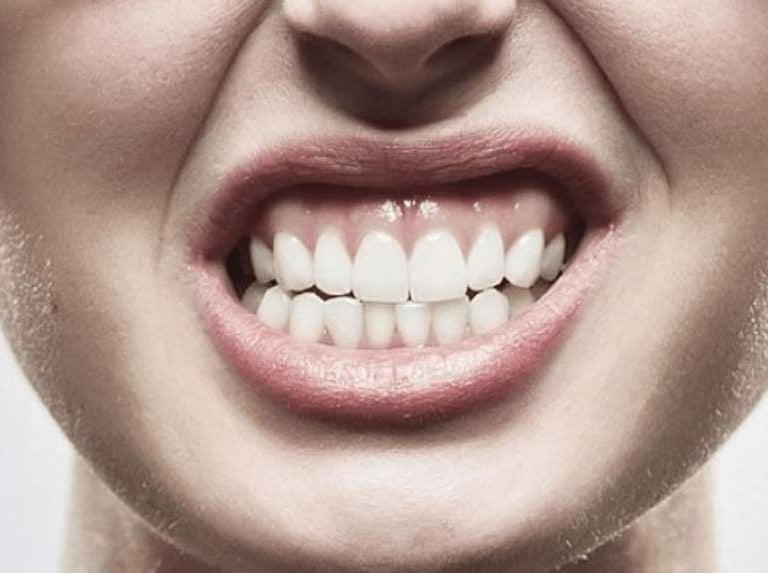
Bruxism is a habit many people do without realising it: clenching or grinding their teeth, at night and even during the day. Although it seems harmless, over time it can cause a lot of tension in the jaw, face, neck and shoulders and affect rest, dental health and even general well-being.
This problem does not appear out of nowhere. It is usually related to factors such as daily stress, anxiety, or excess tension accumulated in the muscles. Posture or the way your teeth fit together when you bite can also play a role.
Bruxism is almost never just a jaw issue. When I assess it, I also check the neck and cervical motor control, because they're usually part of the same picture: a tense jaw pull on the neck.
Facial paralysis and facial movement disorders
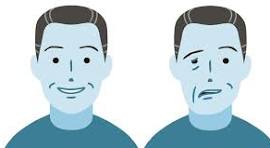
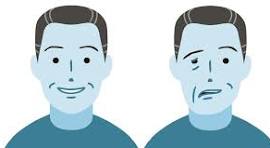
Facial paralysis is a disorder affecting facial movement caused by a problem with the facial nerve. It can appear suddenly and affect your expression, speech, eating and how you feel about yourself.
It can have different causes, such as inflammatory processes, infections, trauma, surgery or peripheral facial paralysis, and not all cases progress in the same way.
Physiotherapy works to restore control and coordination of the face, avoiding compensation and respecting each phase of the process. The aim is not to force movement, but to promote functional recovery and a more natural expression, both in the initial stages and when there are lasting effects.
With the right support, it is possible to improve function, expression and confidence in everyday life.
Physiotherapy for TMJ and facial dysfunctions
Physiotherapy is one of the best ways to address temporomandibular joint (TMJ) problems, bruxism, and other orofacial dysfunctions. The goal is not only to relieve pain, but also to restore normal function to the face and jaw and prevent the discomfort from returning.


Manual Therapy and Massage
Specific techniques to relax the muscles of the jaw, neck and face, as well as improving joint mobility.


Therapeutic Exercise
Simple exercises you can do at home to improve pain and mobility in the face and jaw
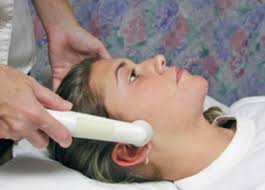
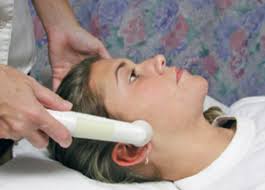
Electrotherapy, ultrasound and invasive techniques
With electrotherapy and invasive techniques (dry needling, neuromodulation or percutaneous electrolysis) guided by ultrasound, we address the condition more precisely and specifically and stimulate paralysed or weak muscles.


Relaxation and breathing techniques
The treatment includes relaxation and breathing control techniques to reduce excessive activation and promote a state of greater calm.
This work helps to reduce muscle overload, improve breathing patterns and facilitate more comfortable and safer movement.
Stress and altered breathing can increase tension and pain in the facial and cervical areas.
FREQUENTLY ASKED QUESTIONS
Is TMJ always the source of facial pain?
No. Often, the jaw is only part of the problem. That is why we assess the whole picture.
Does stress influence jaw pain?
Yes, very much so. Sustained tension and habits directly influence the facial and cervical muscles.
Why work on the neck if my problem is the jaw?
Because jaw and neck share muscles and nerve contro. Treating jaw alone without assessing the neck often gives incomplete results
Is massage alone sufficient?
It helps at times, but it usually works better when combined with more active treatment.
What if I have had this pain for a long time?
The approach can also be adapted to long-term conditions.
Choose your pace
You are in charge of your recovery; choose how you want to treat yourself.
Packs of 5, 10 or more sessions to distribute as you wish
Monthly membership with 1, 2 or 3 sessions per week to address a process with continuity and follow-up
Session Voucher
Individual Sessions
Don't worry if you don't know what to choose. At your first appointment, I will recommend the best option for you based on your individual case.
Rehabilitation Plans
Ideal for treating specific ailments

If bruxism, facial pain, tension or facial paralysis are holding you back, it’s time to do something about it
Phone number: (+34) 604 400 735
Email: sandraalcarazgomez@gmail.com